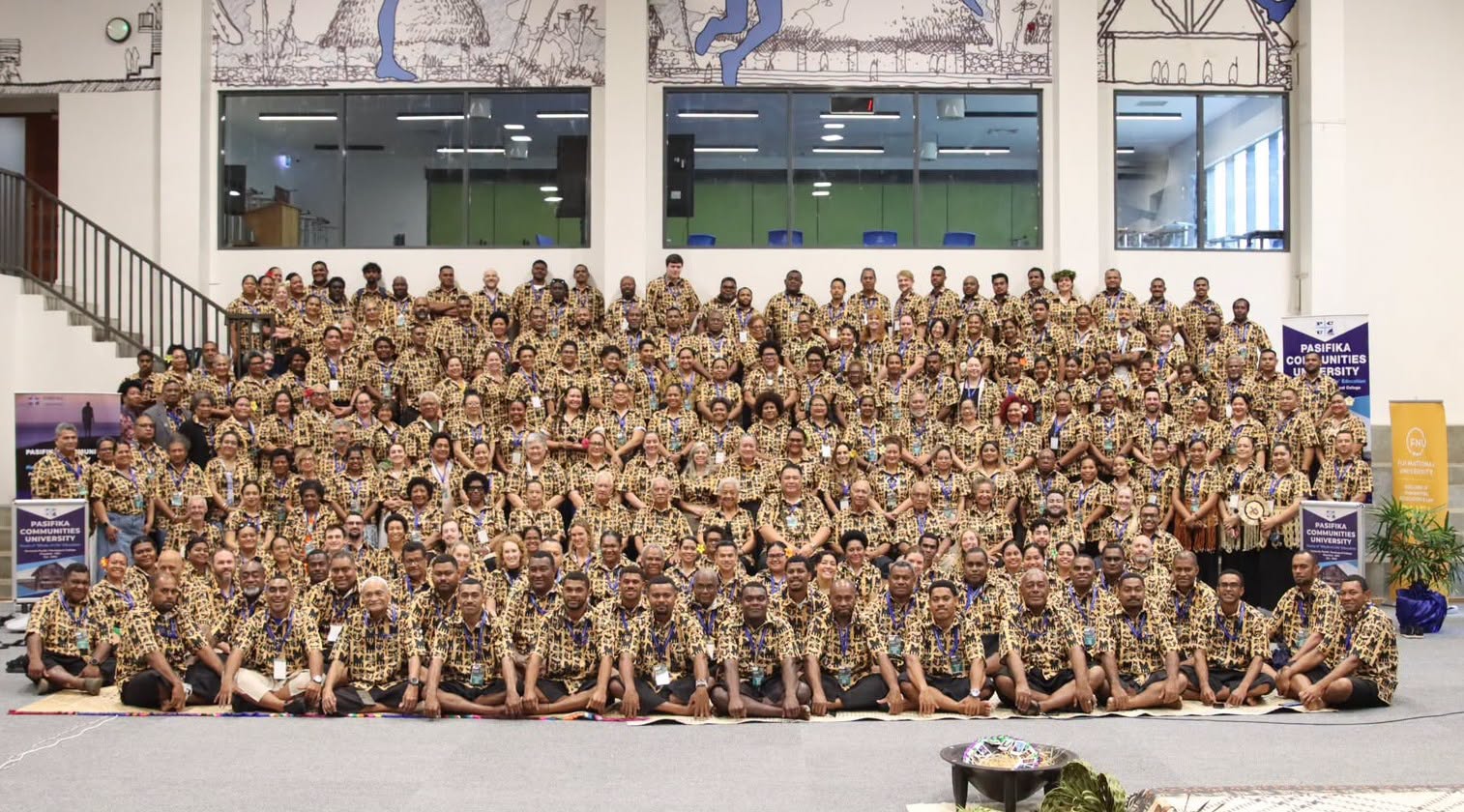
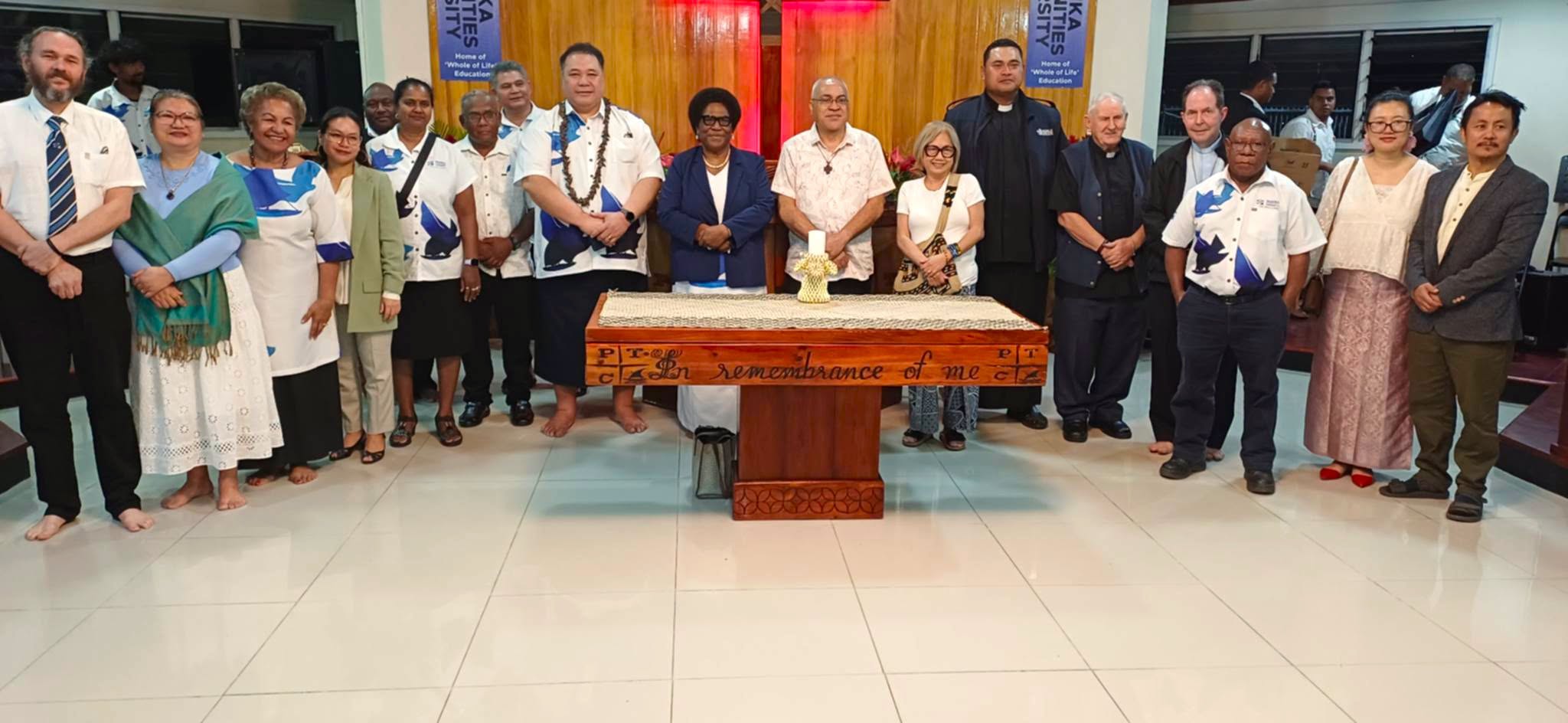
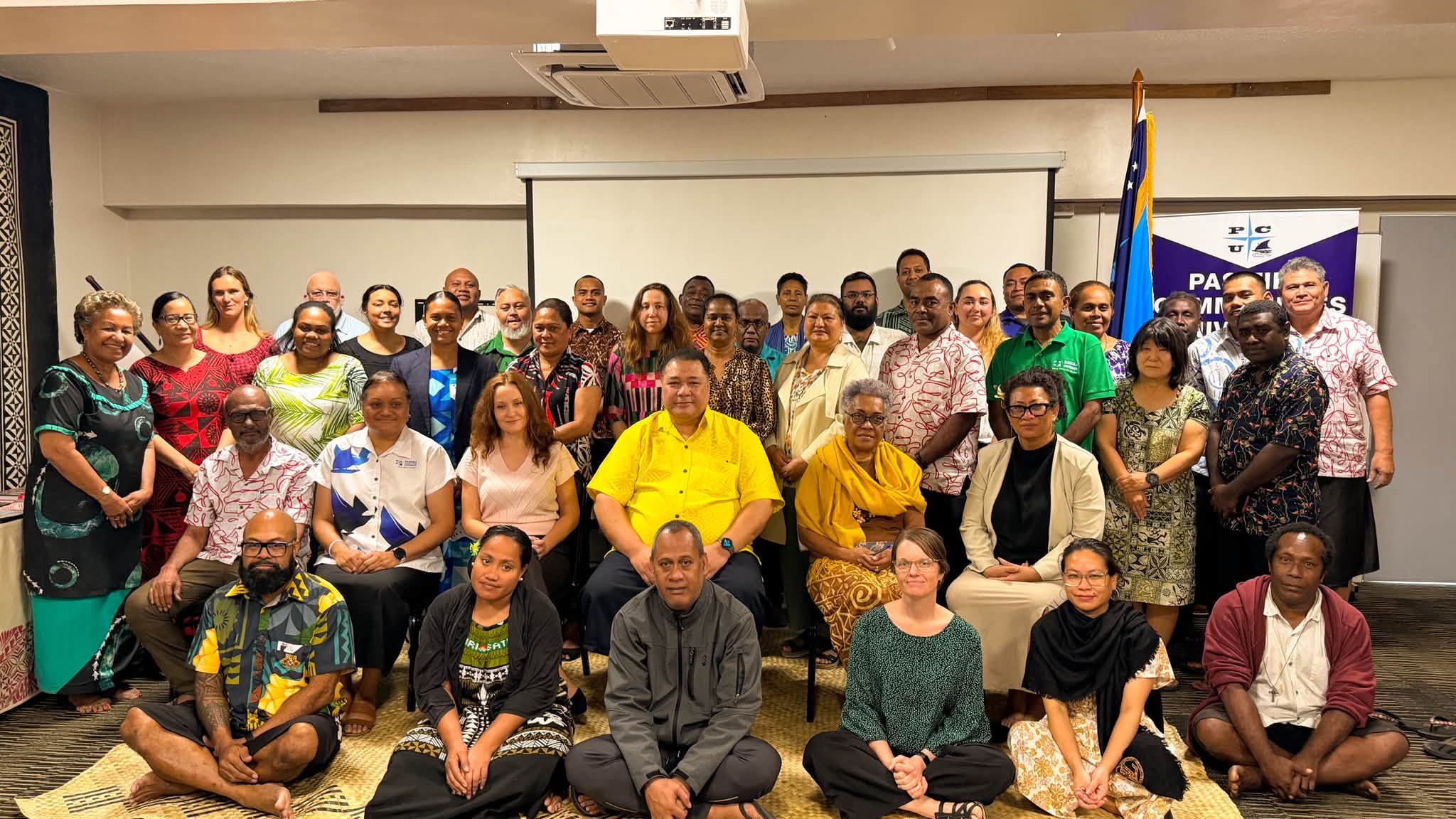
“During the welcoming dinner for Toloa’s enrolled in the Certificate in Philosophical Competency course, each individual brought forward a cultural or traditional gift as a personal offering. These gifts were not mere objects, but living expressions of identity, heritage, and deeply held values.
As Toloa’s shared the significance of their offerings, the space was filled with raw emotion—tears, laughter, and powerful reflections. For many, this act of sharing became a turning point: it challenged and expanded their understanding of Pacific philosophy, allowing personal stories to reshape academic narratives. What unfolded wasn’t simply an exchange of culture, but a reawakening to philosophy rooted in lived experience.” Some Toloa’s presented items used for traditional performances which evoked the rhythm of tradition and storytelling and presenting them is like offering a voice from the past to be heard in the present. Some presented traditional jewellery:
These are not just adornments—they’re markers of status, lineage, and craftsmanship. Their gifting reflects the Toloa’s pride in their roots and their desire to share that beauty. Some presented carved wooden artifacts Often used in ceremonial gatherings, these symbolize hospitality, unity, and respect. It was an evening of learning and appreciating the many different cultural backgrounds of which they all came from. One of the highlights of the evening and this course was a returning Toloa Amy Anne Gildea the operating Unit President and Managing Director of Indo Pacific tetra Tech Australia who was the Keynote speaker for the opening, this was the first time in the 3 years this was done. Her words of affirmation and encouragement and wisdom to the Toloa’s this year extended hope and Excitement. The Manu Folau during his welcoming address reminded the Toloa’s that in the next 2 weeks they should expect to question most of what they have normalized, celebrated and idolized, that this course will allow for them to expand their intellectual horizons and challenge their dominant paradigms.